
02 · LOW-ALTITUDE ECONOMY
Optical payloads ready
for the real flight.
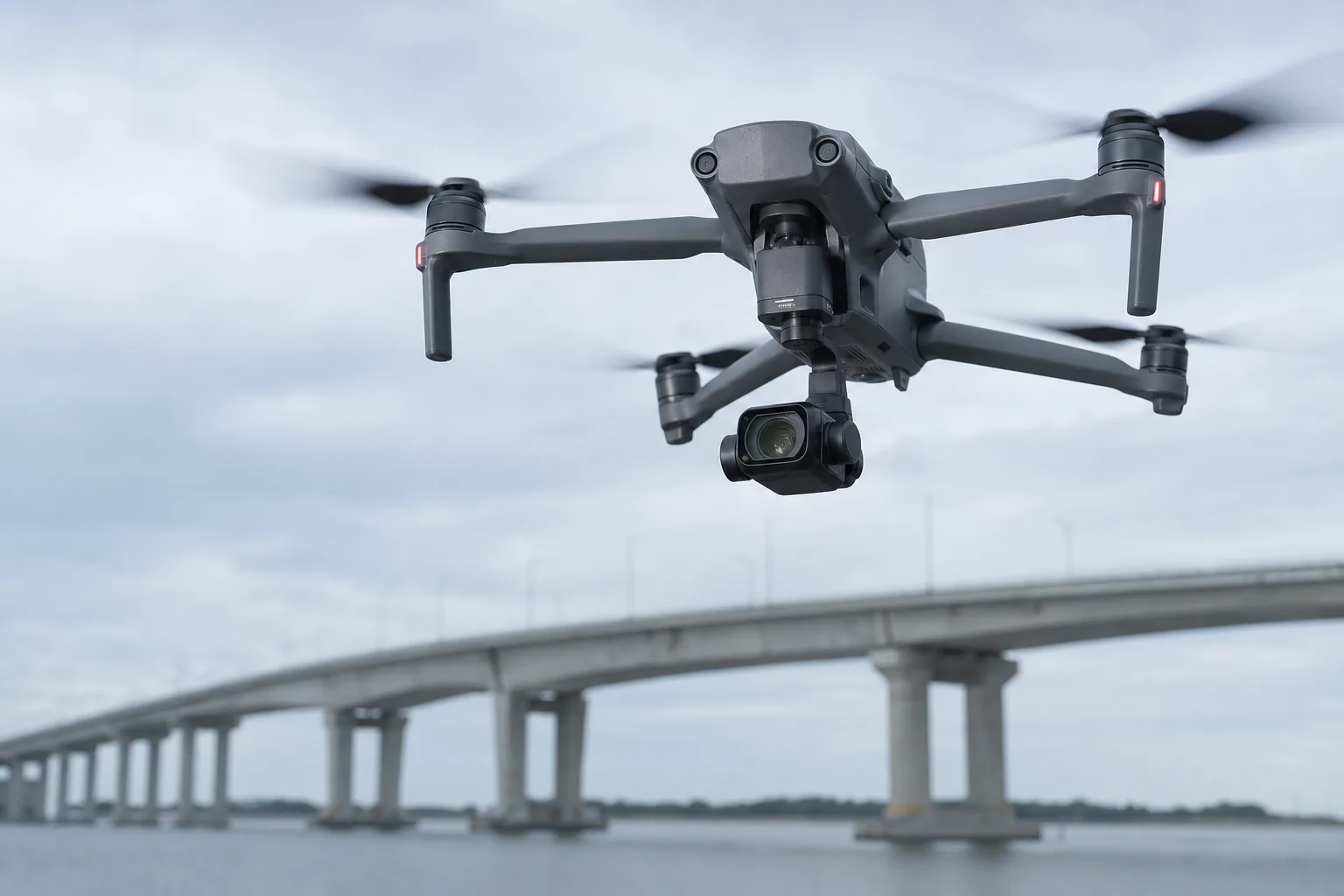
Mission-oriented camera and gimbal modules for low-altitude platforms, built with imaging, stabilization and edge intelligence aligned to the deployment task.

MISSION SYSTEMS
Airborne imaging becomes useful when the optics, stabilization and intelligence keep working together beyond the bench.
Gimbal-compatible imaging and AI ISP workflows
GIMBAL READYModule customization for low-altitude inspection and operations
EDGE AILow-altitude missions
Imaging payloads shaped around a deployment task.
The useful payload is the one that fits the platform, field conditions and decision workflow after the aircraft leaves the ground.
Inspection routes
Optics and stabilization selected around the detail, distance and repeatability an inspection route requires.
Operational observation
Lightweight camera and edge processing combinations for teams that need meaningful visibility while moving.
Custom payload programs
Gimbal-compatible modules when a civilian platform needs a camera system shaped around its own constraints.
PROJECT OUTPUTS
Mission-oriented outputs
The engineering package connects image performance to integration and field use.
Payload architecture
Imaging, stabilization, power and interface decisions organized around the aircraft and mission.
Integration definition
Mechanical and electrical expectations made clear for the airframe or gimbal integration team.
Field test plan
A route from bench evaluation to conditions that represent the real deployment environment.
PROJECT PATH
Progress with evidence, not assumptions.
- 01
Define the mission
- 02
Select the payload
- 03
Integrate and stabilize
- 04
Prove it in field
ENGINEERING QUESTIONS
The conversations that shape the system.
01Is the camera module designed for a specific aircraft?
It can be. We begin with payload limits, power, interfaces and the intended mission rather than treating the airframe as an afterthought.
02Can edge AI be added to the payload?
Yes, when the task benefits from onboard decisions and the thermal, power and compute budget support it.
03How is image stability considered?
Optics, sensor settings and gimbal behavior are assessed as one imaging system, then checked in field-representative motion.
ORIVERX / INDUSTRIES / 02
